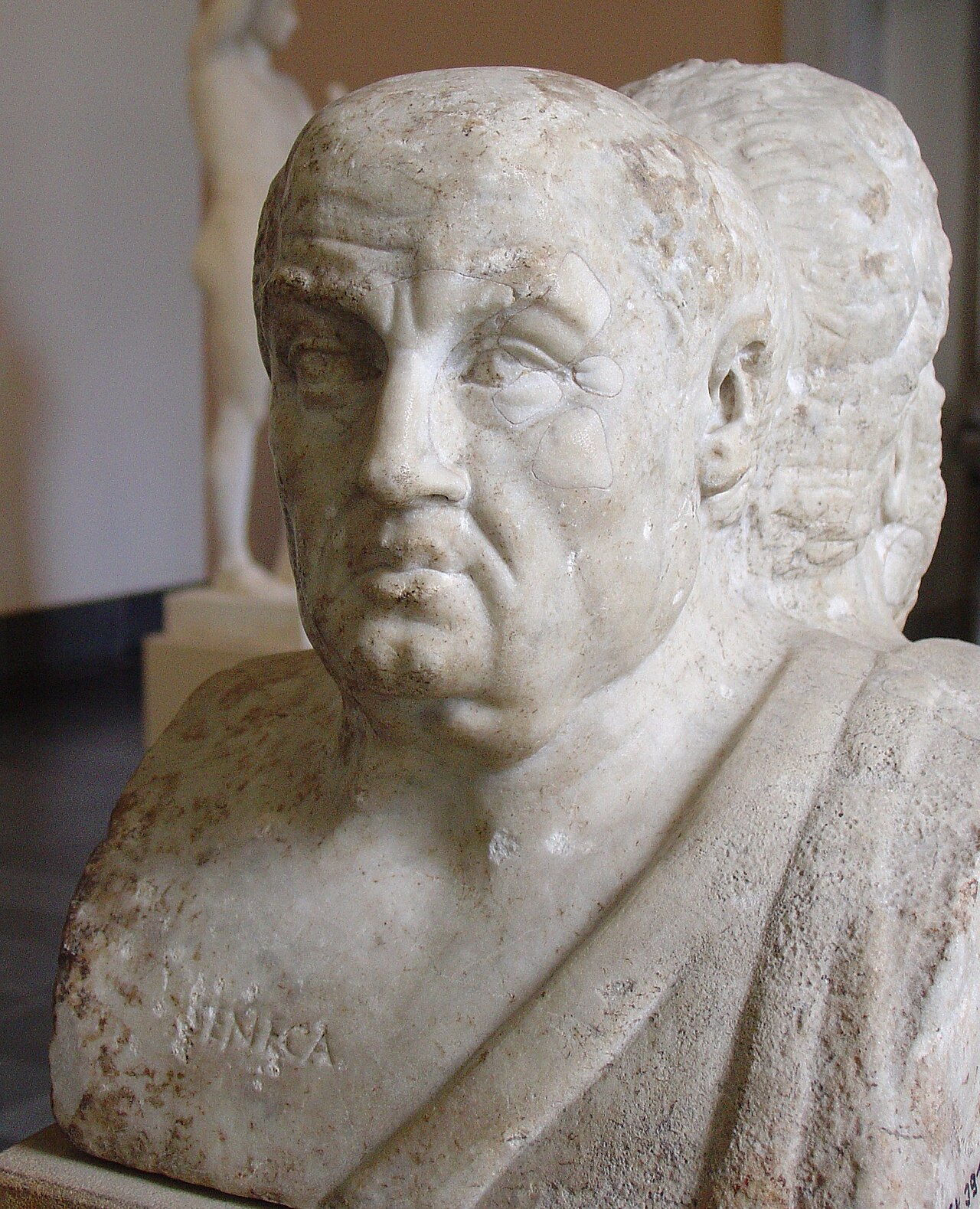
Exploring Seneca's Net Worth: A Roman Philosopher's Paradoxical Wealth
In the vast tapestry of history, few figures present as compelling a paradox as Lucius Annaeus Seneca. While many search for specific modern figures like a "Seneca Wallace net worth," this comprehensive article delves into the intriguing financial story of a historical titan whose life and wealth were equally compelling: the Roman Stoic philosopher, statesman, and playwright, Seneca the Younger. How could a man who espoused the virtues of detachment from material possessions and the pursuit of inner tranquility amass one of the largest fortunes in the Roman Empire? This question lies at the heart of Seneca's enduring fascination, offering a rich study in human nature, ambition, and philosophy in practice.
Seneca's immense wealth was not a mere footnote; it was central to the ongoing discourse about his integrity as a Stoic. Critics questioned how he could preach simplicity while living in opulence, echoing the ancient Greek philosopher Thales of Miletus. As Nassim Taleb recounts, Thales famously demonstrated that philosophers could indeed succeed in the practical world, making a fortune not as an end, but to validate that his pursuit of wisdom wasn't simply "sour grapes" born of an inability to succeed materially. Seneca, in his own way, faced a similar challenge, his life becoming a grand experiment in reconciling philosophy with the realities of power and prosperity.
The Formative Years and Political Ascent
Born over two millennia ago in Corduba, southern Spain, Seneca's journey to wealth and influence began far from Rome's bustling political arenas. He was the son of Seneca the Elder, a renowned rhetorician and writer, indicating an early exposure to intellectual pursuits and the Roman elite. His family background provided a strong foundation, and his education in Rome honed his intellectual prowess and oratorical skills, essential for a career in public life.
Seneca pursued a career in politics, rising through the ranks to become a high-ranking financial clerk, an early indication of his aptitude for fiscal matters. During this period, he also cultivated his literary talents, penning tragedies and philosophical treatises that would later define his legacy. However, his political path was anything but smooth. In 41 A.D., his life took a dramatic turn when Emperor Claudius, possibly influenced by his wife Messalina, exiled Seneca to the island of Corsica on grounds of alleged adultery with Julia Livilla, Caligula's sister and the emperor’s niece. This eight-year exile was a period of intense intellectual activity, during which he wrote powerful consolations, including one to his mother Helvia, reflecting on resilience in adversity.
The Imperial Tutor and the Accumulation of Fortune
The true turning point in Seneca's financial life, and indeed his political career, came in 49 A.D. Agrippina the Younger, Claudius's new wife and the ambitious mother of the future Emperor Nero, orchestrated his return from exile. Her motive was clear: she needed an astute and influential tutor and advisor for her young son. Seneca, with his intellect and experience, was the ideal candidate. This appointment would catapult him into the innermost circles of imperial power, positioning him to amass his staggering wealth.
Under Nero, Seneca's influence reached its zenith. For a time, he, along with the praetorian prefect Sextus Afranius Burrus, effectively guided the young emperor, ushering in what many historians consider a period of relatively enlightened rule. It was during these years of unparalleled access and authority that Seneca's fortune swelled dramatically. His wealth was derived from a combination of sources:
- Imperial Patronage: As Nero's trusted advisor, Seneca received substantial gifts, land grants, and emoluments. Proximity to power in ancient Rome was often synonymous with immense personal enrichment.
- Investments: While the specifics are debated, historical accounts suggest Seneca engaged in extensive financial ventures, including lending money to provincial aristocrats and participating in speculative investments across the Empire. Some sources even suggest he had significant holdings in agriculture and shipping.
- Political Influence: His position allowed him to leverage political connections for economic gain, albeit within the often-murky ethical boundaries of Roman high society.
By the height of Nero's early reign, Seneca was reportedly one of the wealthiest individuals in the Roman Empire, a fact that ignited considerable controversy. His critics, and indeed later historians, questioned how a philosopher dedicated to Stoic principles could justify such opulence. To delve deeper into the mechanics of this accumulation, explore The Wealth of Seneca: How a Stoic Became Roman Empire's Richest and Seneca's Riches: Unpacking the Philosopher's Fortune Under Nero.
However, the tides of imperial favor were famously fickle. Nero, increasingly tyrannical and paranoid, eventually distanced himself from his former mentor. In 65 A.D., Seneca's life came to an end by Nero's command, following accusations of involvement in the Pisonian conspiracy to assassinate the emperor. Faced with an unavoidable death sentence, Seneca, true to his Stoic convictions, chose to take his own life with calm dignity.
Stoicism and Riches: Reconciling the Paradox
The central paradox of Seneca's life remains his vast wealth coexisting with his ardent embrace of Stoicism. Stoicism, a philosophy he learned early in life from figures like Attalus and admired in Cato the Younger, teaches that virtue is the sole good, and external things like wealth, poverty, health, or sickness are "indifferents." While not inherently good or bad, some indifferents, like wealth and health, are "preferred indifferents" – they are natural to desire, provided one does not become enslaved by them.
Seneca's philosophical writings often explored the dangers of wealth and the importance of indifference to external fortune. He advised his readers to practice voluntary poverty, to mentally prepare for the loss of all possessions, and to seek contentment in inner virtue rather than material abundance. Yet, he lived in luxury. How did he reconcile this?
- Wealth as a Tool: Seneca likely viewed his wealth not as an end in itself, but as a preferred indifferent that could facilitate virtue. It provided independence, allowed him to pursue philosophical studies without financial worry, and gave him influence to enact positive change (at least initially) within the imperial court.
- Detachment, Not Abstinence: Stoicism doesn't demand asceticism but rather emotional detachment. Seneca argued that one could possess wealth without being possessed by it. He saw the danger not in having riches, but in desiring them excessively or fearing their loss. He famously wrote, "It is not the man who has too little, but the man who craves more, that is poor."
- Benevolence: Seneca's wealth also allowed him to practice benevolence, a Stoic virtue. He was known for his generosity, providing support to friends, family, and scholars.
- Testing the Philosophy: Perhaps his position as a wealthy Stoic was, for him, a grand test of his philosophy. Could he maintain inner tranquility and virtue amidst the temptations and corruptions of immense power and fortune? His writings often reflect this internal struggle and the continuous effort required to live up to Stoic ideals.
Seneca's Enduring Lessons on Wealth
Despite the controversies, Seneca's life and writings offer profound lessons relevant even today:
- The Nature of True Wealth: He consistently emphasized that true wealth lies not in possessions, but in inner character, wisdom, and contentment. Material riches are fleeting and can be lost; inner virtues are immutable.
- Mindful Accumulation and Use: Seneca's journey reminds us that while wealth can be acquired, the critical aspect is how it is managed and utilized. It can be a tool for good, or it can be a source of anxiety and corruption.
- Practice Detachment: His Stoic philosophy encourages us to cultivate a healthy detachment from material possessions. Appreciate what you have, but be prepared to lose it without losing your inner peace. Regular practice of contemplating loss can build resilience.
- Generosity and Purpose: If wealth is acquired, it can be used for benevolent purposes, to support those in need, or to fund initiatives that contribute to the common good. Seneca exemplified this through his patronage and support.
- The Trap of Avarice: He warned vigorously against avarice, the insatiable desire for more, which he saw as a primary source of human misery. True poverty, he believed, was not having little, but desiring much.
Seneca's influence extended far beyond his lifetime, shaping the thought of figures like Erasmus, Montaigne, and Francis Bacon, and experiencing a resurgence in modern times, championed by thinkers such as Nassim Taleb. His life is a testament to the complexities of living a philosophical life in a practical world, a constant negotiation between ideals and reality.
In conclusion, Seneca's net worth wasn't just a figure; it was a philosophical statement, a challenge, and a testament to the turbulent times he inhabited. While the precise details of the philosopher Seneca's wealth might differ from those of a modern figure like Seneca Wallace, the enduring questions about how one balances ambition, influence, and material prosperity with a commitment to virtue remain timeless. His legacy urges us not to shy away from life's complexities but to engage with them thoughtfully, always striving for inner freedom regardless of external circumstances.
